
Zirconia Crowns
Zirconia crowns in Turkey: material and fit
What is a zirconia crown?
A zirconia crown is a full-coverage cap made from a strong ceramic, fitted over a prepared tooth. It is one of two ceramic options at our clinic — the other is IPS e.max — and which one suits a given tooth is a decision made tooth by tooth, not one material chosen for the whole mouth.
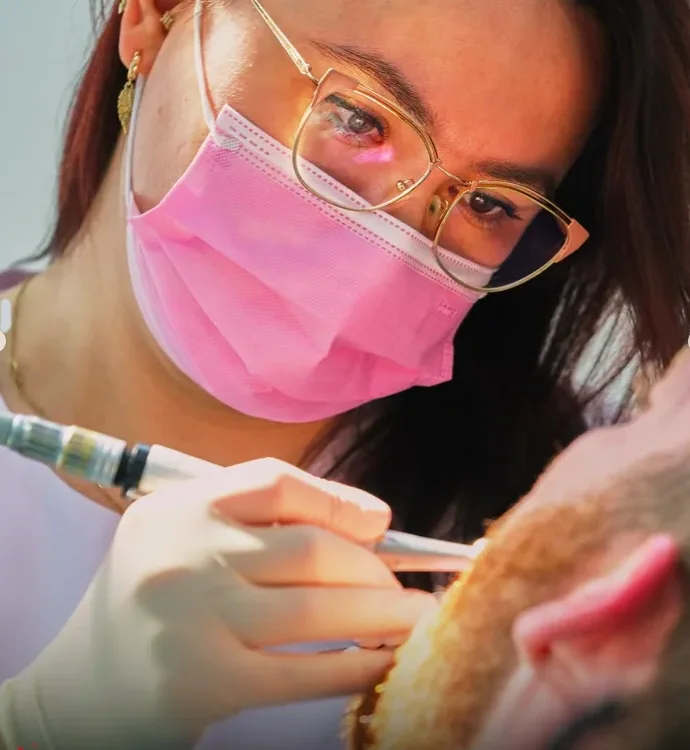
Zirconia or IPS e.max: a per-tooth decision
| Zirconia crown | IPS e.max crown | |
|---|---|---|
| Covers | The whole tooth | The whole tooth |
| Strength | Higher — the priority for back teeth and heavy bite load | Lower than zirconia, still suitable for most crowns |
| Appearance | More opaque, closer to a solid, uniform white | More translucent — closer to how light passes through natural enamel |
| Typically chosen for | Back teeth, and cases where strength is the priority | Visible front teeth where matching your natural teeth matters most |
Neither material is the correct default for a whole mouth. A plan that puts zirconia on your molars and e.max on your front teeth is not a compromise — it is usually the right answer, because the two jobs those teeth do are different. Per-unit pricing for both is on our veneers and crowns cost page.
What getting a zirconia crown involves
The tooth is prepared — reshaped to make room for a full-coverage cap, which removes more of the natural tooth than a veneer does, because a veneer only covers the front surface. A digital scan is taken and the crown is milled to fit; a temporary crown protects the prepared tooth while that happens. The permanent crown is then fitted, checked against your bite, and adjusted before it is finished.
Because preparation removes tooth structure permanently, we check first whether the tooth actually needs a crown at all, or whether a smaller restoration — or nothing — would do the job.
When we would not recommend a zirconia crown
- The tooth does not need full coverage. If a veneer or a smaller restoration achieves the same result, that is what we will propose — it keeps more of your own tooth.
- It's a highly visible front tooth where translucency matters most. Zirconia's strength can come at the cost of looking slightly more opaque than a natural neighbouring tooth; where that trade-off matters, IPS e.max is usually the better-looking answer.
- Active decay or gum disease under the tooth is treated first — a crown placed over an unresolved problem does not fix it.
- Untreated bruxism loads any ceramic restoration and shortens its life, zirconia included, and affects what we can warrant.
Crowns and veneers are covered by our 5-year warranty from completion of treatment — full terms, including what voids it, are on our warranty page. Considering a full arch rather than individual crowns? Read how implant-supported full-arch treatment works on our All-on-4 page, or see our veneers treatment page if your teeth are largely sound and it is shape or colour you want to change.
From The Clinic
How a ceramic crown is scanned and planned
A short look at the digital scanning and planning stage that precedes any ceramic crown being milled.
What people ask about zirconia crowns
What's the actual difference between zirconia and IPS e.max?
Zirconia (zirconium dioxide) is a stronger, more opaque ceramic; IPS e.max is a glass-ceramic that lets more light through, closer to natural enamel. In practice that means zirconia is chosen where strength under bite load matters most, and e.max where matching a visible front tooth matters most. Neither is the "better" material in general — the decision is tooth by tooth.
Do I have to pick one material for my whole mouth?
No, and we would advise against it if a clinic tells you otherwise. It is common for a treatment plan to use zirconia on back teeth and e.max on front teeth in the same mouth, because they are doing different jobs. Pricing for both is per unit, on our veneers and crowns cost page.
How much of the tooth does a zirconia crown remove?
A crown covers the whole visible tooth, so more of the natural tooth is prepared than for a veneer, which covers only the front surface. That is one reason we check first whether your tooth actually needs a crown, or whether a smaller restoration would do the job.
When would you tell me not to get a zirconia crown?
When the tooth does not need full coverage and a veneer or a smaller filling would achieve the same result with less tooth removed, or when the tooth is a highly visible front tooth where matching translucency is the priority and e.max is the better-looking answer. A crown is a permanent decision on that tooth, so we would rather have this conversation before it than after.
Send a photo, get a per-tooth recommendation
We will tell you which teeth actually need a crown, and which material fits each one — before you commit to either.