
Is dental work in Turkey safe?
It depends on three things you can check before you book a flight — and on one question most clinics will not answer in writing.
Published by Sevil Smile Clinic, Istanbul · 8 August 2026
It is safe when the clinic is licensed, the dentist is identifiable by name and qualification, and the treatment plan is written down before you travel. It is risky when a price is quoted before anyone has seen an X-ray, when no named dentist is attached to your case, or when the plan changes after you land.
The three things this page asks you to check
A licence you can look up, a dentist with a name and a qualification, and a plan written down before you fly. Everything below is one of those three, or the evidence behind it.
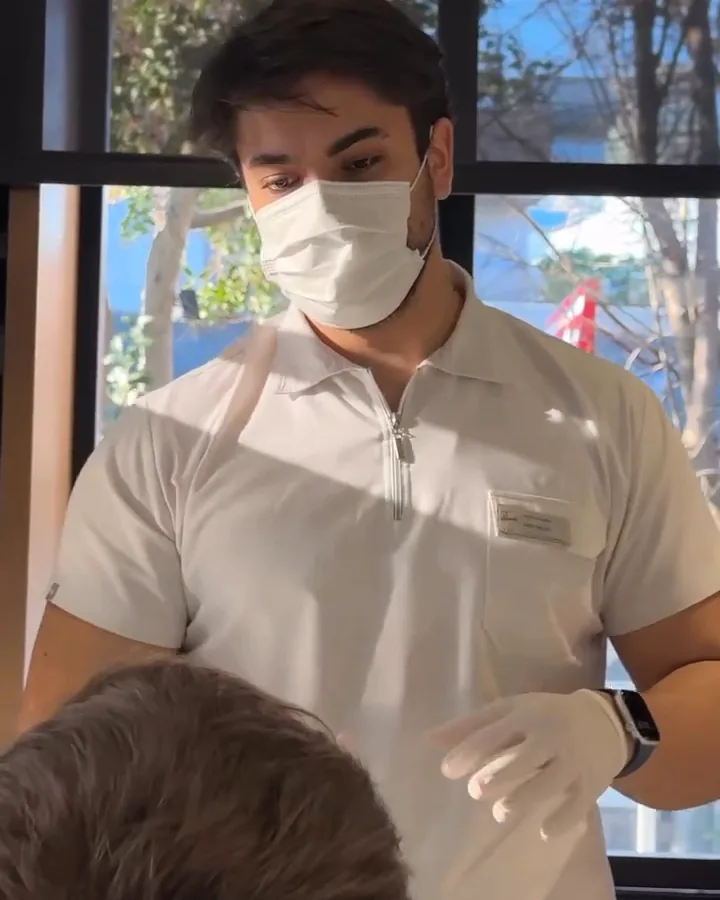
None of them requires you to trust a photograph or a badge. All three can be checked from your own laptop, before you spend anything — starting with the people in this picture.

How we answer our own three tests
The paragraph above sets three conditions. It would be easy to publish them and leave it there, so here is where we stand against each one — with the page that lets you check it rather than believe it.
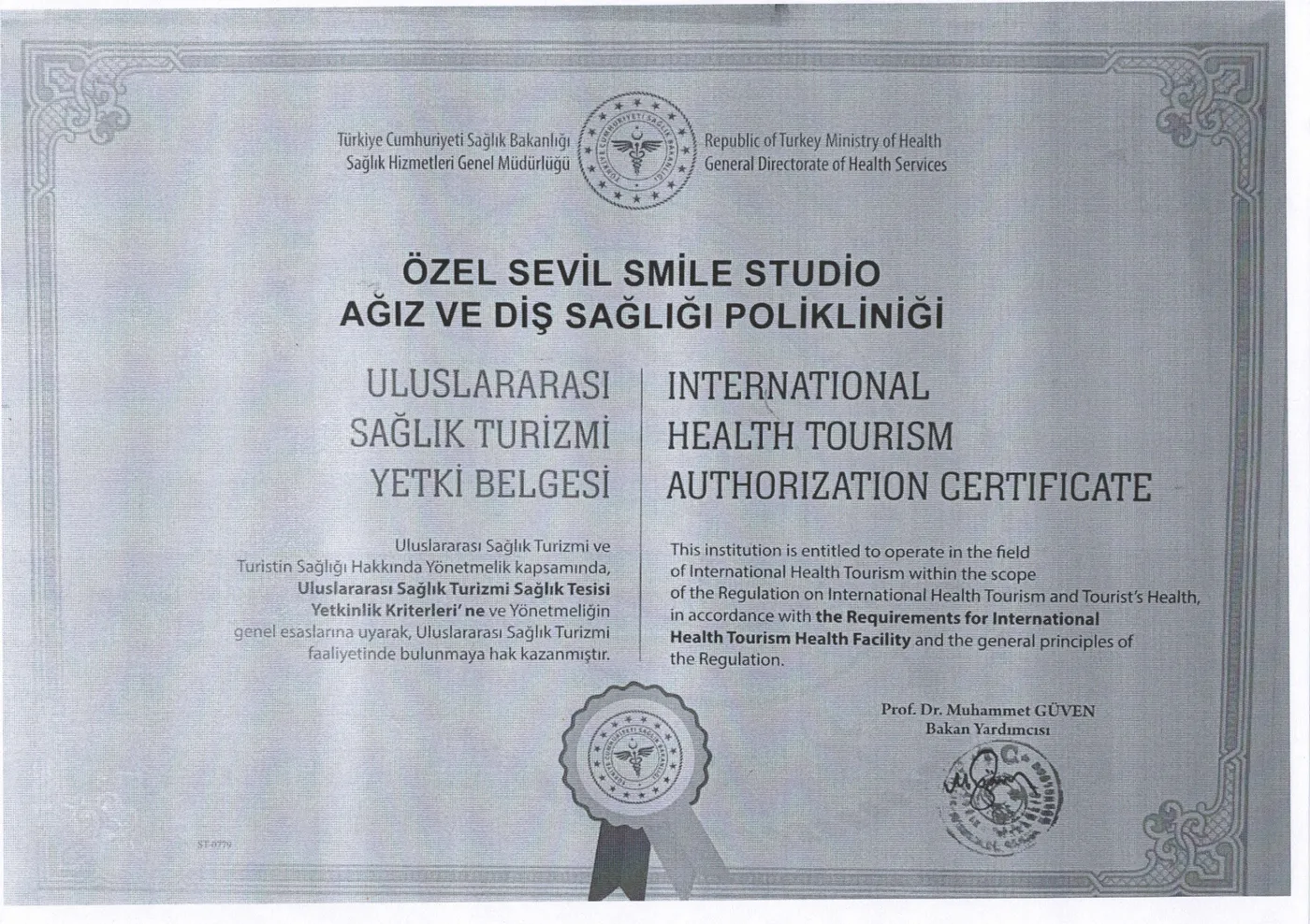
Is the clinic licensed?
All three of our clinics appear on the Turkish Ministry of Health’s published list of facilities authorised for international health tourism. That list is public: you can open it and search the names yourself, without taking our word for it. How to check the list yourself
Is the dentist identifiable by name and qualification?
Fourteen dentists are published by name, with their degrees, their specialty and where they trained — across prosthodontics, oral and maxillofacial surgery, restorative dentistry and endodontics. The dentist who will treat you is named in your plan before you fly. See the named dentists
Is the plan written down before you travel?
You get the treatment, the staging and the cost in writing before you book anything. It is a plan, not a commitment — and it says plainly what could change after an in-person examination and a CT scan. What the written plan contains
One thing we do not publish is an accreditation badge we have not earned. There is no JCI logo on this site and no invented certificate number, because we do not hold them — and a badge you cannot verify is worth less than a public list you can.
When should I not travel for dental treatment?
If you need a procedure that requires months of staged follow-up, if you cannot return for a revision, or if an untreated infection or gum disease has to be resolved first. In those cases treatment at home is the better decision, and any clinic that tells you otherwise is selling rather than advising.
Questions worth asking any clinic
- 01Which dentist will treat me, and what is their qualification?
- 02Will I get a written treatment plan before I book flights?
- 03What happens, in writing, if a restoration fails after I go home?
- 04Who pays for a revision trip?
- 05Which implant and ceramic brands do you use?
If the answers above hold up, see what actually happens next on our step-by-step treatment journey, including the points where you can still change your mind. The same questions apply just as much if you are weighing a closer alternative — see how they play out in our Turkey vs Mexico comparison for full mouth implants. If part of your hesitation is the phrase "turkey teeth", we cover it directly — what it actually describes and how to check for it — on its own page.

Still have questions?
Send us your case and we will answer honestly — including when we think you should not travel.